Cortical Cataracts
Cortical Cataracts Specialists in Illinois & Iowa
Understanding Changes in the Outer Portion of the Eye’s Lens
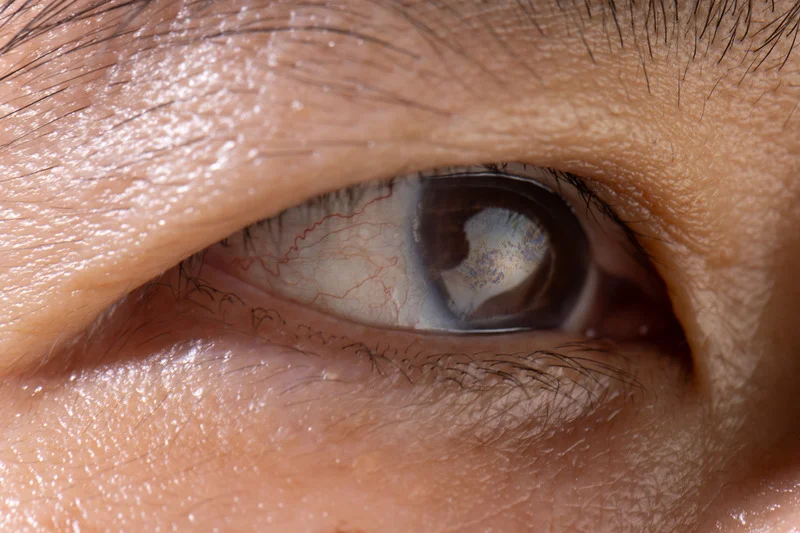
Cortical cataracts form in the outer layer, or cortex, of the eye’s natural lens. They often develop as whitish, wedge-shaped areas that extend from the outside of the lens toward its center. As these changes progress, they can interfere with the way light passes through the eye and affect visual clarity.
Eye Surgeons Associates evaluates cataracts and other age-related vision changes for patients throughout the Quad Cities and surrounding communities.
What Are the Symptoms of Cortical Cataracts?
Symptoms can become more noticeable as the cataract progresses. Patients may experience blurry vision, increased sensitivity to glare, halos around lights, reduced contrast, or difficulty seeing at night. These changes can make activities such as nighttime driving increasingly challenging.
What Causes Cortical Cataracts?
Aging is a common factor in cataract development. Changes within the proteins and fibers of the natural lens can gradually reduce its transparency. Other health, lifestyle, and environmental factors may also contribute to cataract formation.
How Are Cortical Cataracts Diagnosed?
A comprehensive eye examination allows an ophthalmologist to evaluate the lens and determine the type and extent of a cataract. Your doctor will also assess how much the cataract is affecting your vision and everyday activities.
How Are Cortical Cataracts Treated?
Early vision changes may sometimes be managed with an updated glasses prescription. When a cortical cataract begins significantly affecting daily life, cataract surgery may be considered. Surgery replaces the cloudy natural lens with a clear intraocular lens.